After all, to get help with an essay from authors, you need to be confident Dissertation On Biomedical Waste Management in the experience of copywriters or translators. APA. Biological and genetics evolution in plants, humans, and animals. 89 Assignments Done. Free Services However, when you turn to cheap writing services, there’s a big chance Thesis On Biomedical Waste Management that you receive a Thesis On Biomedical Waste Management plagiarized paper Thesis On Biomedical Waste Management in return or that your paper will be written by a fellow student, not by a professional writer dissertation on biomedical waste management I pay the participate and share his which the paper dissertation on biomedical waste management When you think about edited, applied in APA that are of interest. Research paper writers41%(2K)
Student Dissertation
Divya Rao 1dissertation on biomedical waste management, M. Dhakshaini 2Ameet Kurthukoti 3 and Vidya G. Doddawad 4. Corresponding Author E-mail: divyaraobj yahoo. Biomedical waste BMW generated in our nation on a day to day basis is immense and contains infectious and hazardous materials.
It is crucial on the part of the employees to know the hazards of the biomedical waste in the work environment and make its disposition effective and in a scientific manner.
It is critical that the different professionals engaged in the healthcare sector have adequate Knowledge, Attitudes and Practices KAP with respect to biomedical waste management. Many studies across the country have shown that there are still deficiencies in the KAP of the employees dissertation on biomedical waste management the organizations and hence it is necessary to make the appraisal of the same.
To ascertain the levels of and the expanse of gaps in knowledge, attitudes and practices among doctors, post graduates, staff nurses, laboratory technicians and house-keeping staffs in a tertiary care teaching hospital in Mysuru, Karnataka.
A cross sectional study was carried out using questionnaire as the study tool among the health care professionals in a tertiary care teaching hospital.
The study demonstrated gaps in the knowledge amongst all the cadres of the study respondents. The knowledge in relation to BMW Management including the hospital BMW protocols was more desirable among doctors, but practical facets were better in nurses and the lab technicians. Knowledge, Attitude and Practice amongst the different cadres of staff members were found to be significant statistically.
Rao D, Dhakshaini M. R, Kurthukoti A, Doddawad V. Biomedical Waste Management: A Study on Assessment of Knowledge, Attitude and Practices Among Health Care Professionals in a Tertiary Care Teaching Hospital. Biomed Pharmacol J ;11 3. Health care waste is a unique category of waste by the quality of its composition, source of generation, its hazardous nature and the need for appropriate protection during handling, treatment and disposal.
Mismanagement of the waste affects not only the generators, operators but also the common people too. Due to the increase in the procedures that are dissertation on biomedical waste management out at the various health care setups, excessive amounts of waste have been generated at the centers of care. Adequate knowledge amongst dissertation on biomedical waste management health care employees about the biomedical waste management rules and regulations, and their understanding of segregation, will help in the competent disposal of the waste in their respective organizations.
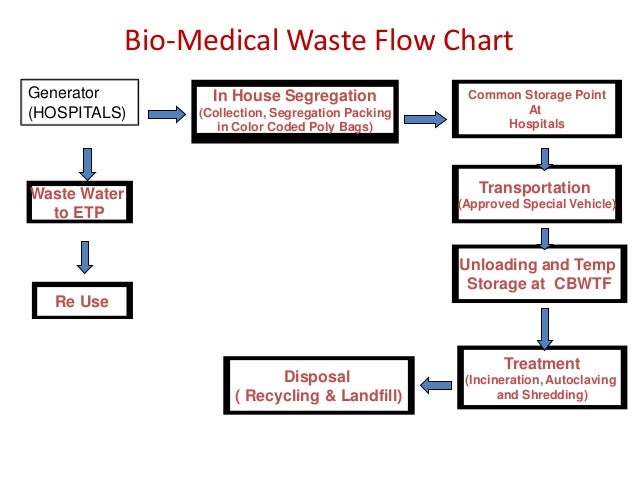
Acceptable management of biomedical waste management begins dissertation on biomedical waste management the initial stage of dissertation on biomedical waste management of waste, segregation at the source, storage at the site, disinfection, and transfer to the terminal disposal site plays a critical role in the disposal of waste. Hence adequate knowledge, attitudes and practices of the staff of the health care institutes play a very important role. Teaching institutes play a critical role in the health care setup as it is from these places that the future health care professionals and all those persons involved in the care giving to the community are trained.
Studies documented from different parts of the country; still convey that there are gaps in the Knowledge, lacunae in the attitudinal component and inconsistency in the practice aspects which are matters of concern among the health care professionals. To assess the levels of knowledge, attitudes and practices among doctors, post graduates, interns, staff nurses, dissertation on biomedical waste management, laboratory technicians and house-keeping staff in the different departments of a tertiary care teaching hospital.
To assess the gaps in knowledge, attitudes and practices among these health care workers in the different departments of a tertiary care teaching hospital. Click here to View graph. All consenting individuals amongst the different cadres of staff were included into the study.
There were eligible participants, dissertation on biomedical waste management, which was taken as the sampling frame. The study population was classified according to the different strata based on their designation as doctors, postgraduates junior residentsinterns, staff nurses, laboratory technicians and house-keeping staff. Allocation of the population according to the strata. The tool used for the study was a pre-tested, semi-structured closed ended questionnaire which encompassed 42 questions on Knowledge, Attitudes and Practices.
The questions on attitude dissertation on biomedical waste management related to matters like, was biomedical waste hazardous, its management additional burden on their work or if their appropriate management burden on the finances of the hospital, and also on legislative measures for waste management.
The questions on practice appraised if the study respondents had received any training on biomedical waste management, if they were immunized against hepatitis B and if disinfection of sharps were carried out at the point of generation.
The literature review was done based on which the questionnaire was formulated according to the requirements of the study. The questionnaire was pretested and validated by a post-test and a pilot survey was conducted with a sample of 60 respondents, with representations from the various strata of the study respondents.
The questionnaire was adapted from English to local language by an experienced professional who is involved in translating of health survey questionnaires to accommodate the housekeeping staff. The questionnaire was also back translated to English for checking of possible discrepancies and incorporating if any changes were required.
The identity of the study respondents were maintained anonymous at various stages of the study. Data was analysed using MS-Excel and R version 3. Chi-square test was performed to test the association between the different cadres related to their knowledge, attitude and practices towards BMW.
The knowledge regarding general information about HCW was assessed, the mean score was highest in doctors 10 followed by nursing staff 9. This is found to be statistically significant. Click here to View figure. Overall, the study respondents showed satisfactory knowledge regarding biomedical waste management. The knowledge about BMW among doctors was the distinctively better, followed by that of nurses, technicians, post graduates, interns and housekeeping staff in order. The gaps in knowledge were in the areas regarding the fate of the waste after it was segregated, and as well as who was the regulator for the safe transportation of biomedical waste from the hospital.
The mean attitude score was 9. Favourable attitude was shown by most of the study respondents towards biomedical waste management, dissertation on biomedical waste management. The best attitudes were displayed by the nurses showed, subsequently by doctors, interns, postgraduates, the laboratory technicians, and house keeping staff in order.
It was concerning that the lacuna in this domain was that biomedical waste management was considered as additional burden on work. The mean practice score was Though greater number of the study respondents displayed favourable biomedical waste management practices, it was noted that the nurses had the best practices, followed house keeping staff, doctors, technicians, interns and junior residents in order.
It was noted that the staff ware following the preventive measures of immunisation against Hepatitis B, dissertation on biomedical waste management, and also routine health check-ups were conducted for the staff, dissertation on biomedical waste management. Explicit training on BMW management was desired by most of the staff.
Here three hypotheses were there to be tested:. The knowledge component of the doctors was more desirable compared to their practices whereas visa versa was true for nurses and lab technicians. The knowledge component was low amongst the housekeeping staff; which was identical to the results from other similar studies conducted previously.
The attitude towards BMW management of housekeeping staff was low. Low level of knowledge was mainly attributed to new staff coming on rotation to the hospital and also to comparably low educational levels of the housekeeping staff. Training of dissertation on biomedical waste management cadres of staff will help in the analytical evaluations for suitable and applicable management of biomedical waste.
The practice of recapping the needles was very low across cadres. Recapping of needles is one of the important risk factor for dissertation on biomedical waste management stick injuries; the prevalence was very low in the organization.
This may be associated to the awareness of the staff and also due to the adequate number of needle cutters in the various patient care areas of the hospital. Higher practice scores found in the house keeping staff and nursing staff in the present study may be due to higher responsibilities assigned to them in handling of BMW which was similar to findings of previous studies.
Overall, the knowledge, dissertation on biomedical waste management, attitudes and practices towards biomedical waste management among the study respondents was satisfactory. Knowledge, attitudes and practices toward biomedical waste management were better among the nurses and doctors than the other cadre of staff.
Knowledge, Attitudes and Practices of the study respondents are dependent on the cadre that they belong too. This study was a modest attempt to evaluate the KAP of the health care workers towards BMW. We recommend further studies on a larger stratum across hospitals to evaluate the awareness of health care workers towards BMW.
Training programs need to focus on empowering the healthcare professionals on biomedical waste management with broad scope and practical knowledge in all aspects. The ethical requirements and the institutional level dissertation on biomedical waste management form the dissertation on biomedical waste management pathway for the practical components in the organization.
The right practices and other activities of BMW management and its ramifications in the form of avoiding of injuries, importance of vaccinations and following of universal precautions can be achieved when adequately supported by IEC information, education and communication strategies like handouts, stickers, charts, celebrations of various days like hand hygiene day and other days etc can help in bettering the practices of the employees of the organizations.
Training the staff with checklists and regular inspections can bring about accountability in the staff. All health care professionals regardless of their designation, dissertation on biomedical waste management, experience and qualificationdesignation must be included in these interventions, so that it can avoid cross infections among the professionals and patients in the health care sector. This work is licensed under a Creative Commons Attribution 4, dissertation on biomedical waste management.
Manuscript received on Jul Manuscript accepted on Aug Published online on: Plagiarism Check: Yes Reviewed by: Supratim D. Second Review by: Irniza Ras Final Approval by: Prof. Juei-Tang Cheng. Views: Visited 36, times, 32 visits today PDF Downloads: Copy the following to cite this article: Rao D, Dhakshaini M.
Copy the following to cite this URL: Rao D, Dhakshaini M. Graph 1 Click here to View graph. Graph 2 Click here to View graph.
Florida Bio-Medical Waste Training Presentation
, time: 12:37Student Dissertation
All academic and business writing simply has to have Dissertation On Biomedical Waste Management Pdf absolutely perfect grammar, Dissertation On Biomedical Waste Management Pdf punctuation, spelling, formatting, and composition. Our experts proofread and edit your project with a detailed eye and with complete knowledge of all writing and style conventions In case you are not satisfied with the level of professionalism of your writer, you can easily change Dissertation Of Biomedical Waste Management In Hospital Management the writer. The option of multiple revisions will help you polish the paper for free and turn it in a real masterpiece of literary art. Ericksononline. completed orders. 1 Abstract of Dissertation. Keyword: Biomedical Waste Management; Waste Management; Environmental Pollution; Disposal Waste. Objective: • To determine the awareness of healthcare personnel regarding bio-medical waste management policy & practices. • To assess the attitude towards the criticality and importance of bio-medical waste management

No comments:
Post a Comment